






From the Laboratory to the Table: The Nine Years It Took a Hunan Restaurantto Enter America’s Mainstream Dining Market
Written & Photographed by Ivan Liu
Edited by Lily
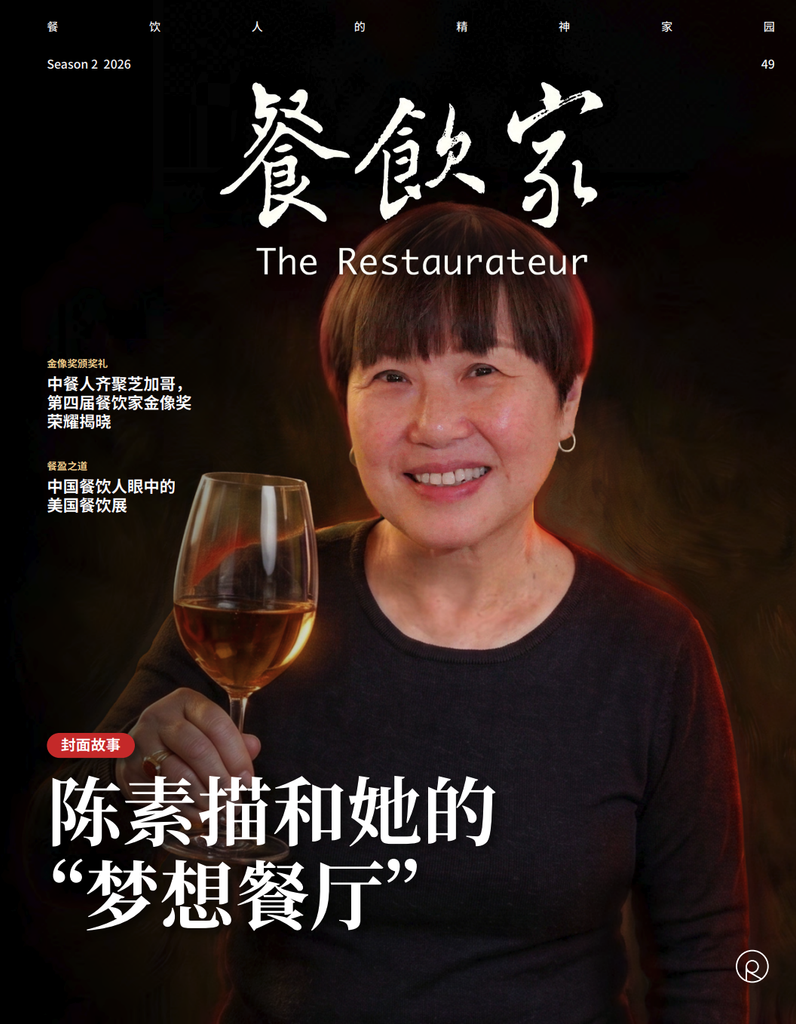
May 16, 2026, Chicago. At the ceremony for the Fourth Canyinjia Golden Awards, Sumiao Chen stood in front of the backdrop, holding a plaque that read “Outstanding Restaurateur.” In the photo, her smile looked natural. It was not the polished smile one puts on for a camera; it felt more like the quiet expression of someone who, after a long journey, had finally held a milestone result in her hands.
At the same awards ceremony, Sumiao Hunan Kitchen, the restaurant she founded, also received the “Outstanding Restaurant” award. The former recognized a restaurateur’s long-term judgment, operating ability, and industry influence; the latter reflected how far those abilities had ultimately been translated into one specific restaurant. In the case of Sumiao Chen and Sumiao Hunan Kitchen, the two awards reinforced each other.
In recent years, Sumiao Hunan Kitchen has continued to be noticed by America’s mainstream dining evaluation system. After being included in the Michelin Guide’s Northeast selection, it became one of the first Chinese restaurants in the Boston area to receive a Bib Gourmand distinction. For a restaurant rooted in Hunan cuisine and located in Cambridge, this recognition is more than a plaque. It is also a signal: America’s mainstream dining world is slowly moving its understanding of Chinese food away from the old labels of “cheap,” “takeout,” and “large portions.”
What is most worth telling about Sumiao Chen is not simply why a physician and medical researcher decided to open a restaurant. It is how she placed scientific training, brand awareness, community responsibility, team systems, beverage strategy, and cultural judgment, bit by bit, into the daily operations of a Chinese restaurant.
Over the years, she has been answering a harder question: How can a regional Chinese restaurant be taken seriously, remembered for the long term, and survive in America’s mainstream dining market?
On the evening after the awards ceremony, at the NRA “Evening Study Session” hosted by the Canyinjia Club in Chicago, she broke that question down and spoke through it.
From the Laboratory to the Table
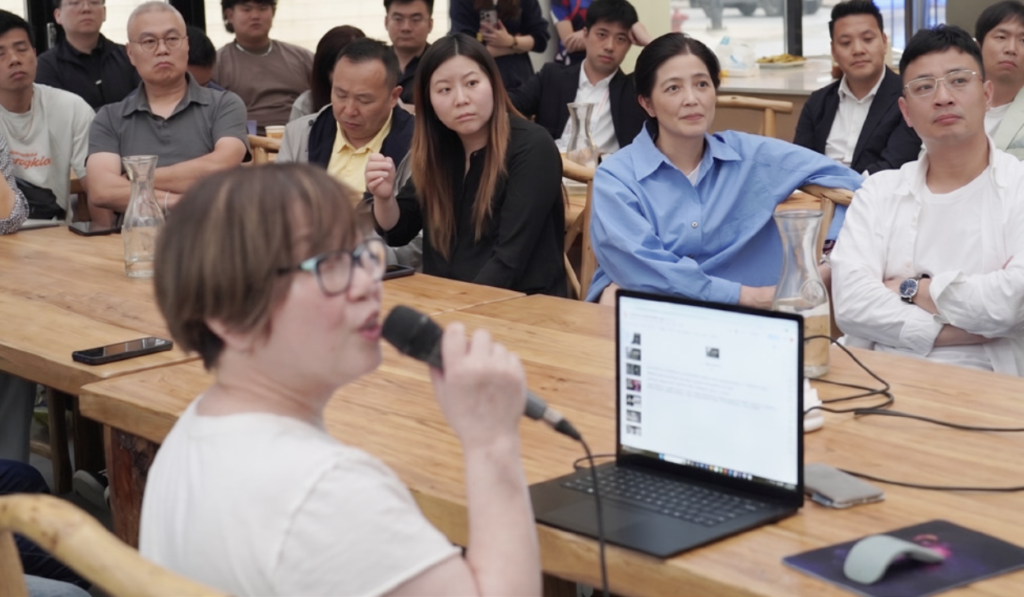
The “Evening Study Session” on May 17 felt like an entirely different world from the awards ceremony the day before. There was no red carpet, no spotlight, and no trophy. Restaurateurs who had spent the day walking the NRA Show gradually took their seats, and the room carried a more relaxed feeling of industry insiders talking among themselves.
Sumiao Chen did not begin by rushing into a success story. Instead, she first looked at the audience and asked a few questions: Who here runs restaurants? Who works in supply chain? Who works in marketing or platform services? After she had a rough sense of who was in the room, she smiled and said, “Because I come from a science background, I always do a survey first before I speak.”
That was very much her way of doing things. She speaks without hurry, sometimes pausing to find a more precise word. In her Chinese, English industry terms such as projection, benchmark, and hospitality appear naturally. Those words are not there to make her sound professional; they appear because, in her working context, restaurants have never been only about whether the food tastes good.
Sumiao Chen came to the United States in 1992, and her first stop was Boston. She was trained in medicine, later worked in medical research, and then joined a pharmaceutical company to participate in new drug development. On a conventional path, she could have stayed in medicine and pharmaceuticals for the rest of her career.
But the idea of restaurants slowly grew out of day-to-day life.
During the day, she worked in research. At night, when she missed Chinese flavors, she would go looking for Chinese restaurants. The more she ate, the more she noticed something that made her uncomfortable: mainstream American society’s understanding of Chinese food had long remained trapped within a limited set of stereotypes. Over the past few decades, American Chinese food built early market awareness through takeout, fast food, and dishes adjusted to local tastes, while also supporting generations of immigrant families. The cost was that the rich regionality and cultural texture of Chinese cuisine were compressed into an overly flat label.
Sumiao Chen knew that Chinese food was far more than that. This was especially true of the cuisine of her home region, Hunan cuisine, which is vivid, brimming with wok-fired vitality, and also deeply refined. She kept asking herself: Why could French food and Japanese food become cultural experiences, while so many regional Chinese cuisines in the United States remained stuck in the category of cheap takeout?
To understand Western food culture, and also to test whether her confidence in Chinese cuisine was blind or rational, she went to Le Cordon Bleu to study French cuisine, Western cuisine, restaurant management, and bar management. She was not trying to turn Hunan cuisine into French cuisine. Rather, she wanted to understand how a food culture could be translated into an experience that the mainstream market could understand, respect, and be willing to pay more for.
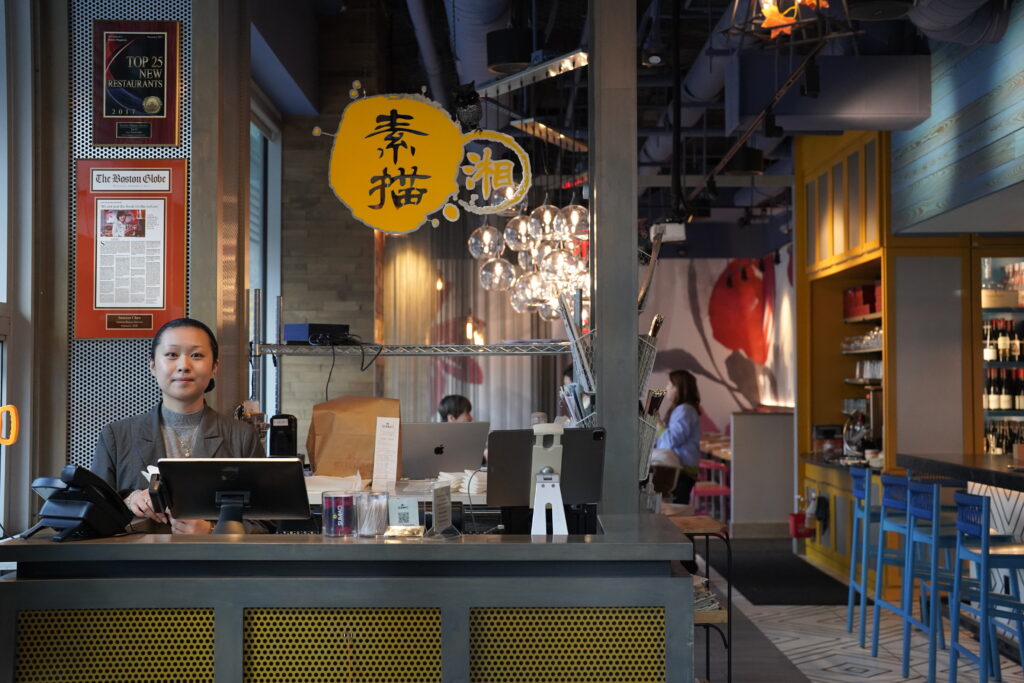
Around 2007, she began participating in restaurant investments, eventually investing in more than a dozen restaurants. The brand Sumiao Hunan Kitchen began preparations in 2015 and officially opened in 2017. From that point on, she moved from being an investor who put in money to an operator standing on the front line.
“The world of research is very quiet and very rational,” she said. “A restaurant is completely the opposite. Every day brings all kinds of unexpected situations. Sometimes you have just solved one problem, and the next one appears.” But her scientific training helped her greatly. The two fields may seem unrelated, but at their foundation both require observation, analysis, optimization, repeated iteration, and long-term patience. “Many people think opening a restaurant is emotional. A truly mature restaurant actually requires the building of a very complex scientific system.”
At the Evening Study Session, she shared a poem she had written, titled “My Dream Restaurant.”
She read it slowly:
“The restaurant of my dreams is not just a place, but a feeling.
When the door opens, the world slows down, and warmth is felt first.
We want a table where what is placed before people is not merely food, but food that can be remembered. Every dish tells where we come from.
Most importantly, people are not colleagues, but partners, growing together here…
The dream no longer belongs only to me. It lives in every dish and every guest—the real question is: how far can we take it together?”
For her, the restaurant was never just a business from the beginning. That is why when she talks about restaurants, she rarely talks only about dishes. She talks about space, service, beverages, team, and community. She talks about what guests feel before they enter and after they leave. She talks about how a restaurant becomes part of a city’s everyday life. For many people, a “dream restaurant” is about aesthetics and sentiment. For her, the dream must land in site selection, menu design, customer base, service, cash flow, training, and community relationships.
The Mainstream Market Logic Behind 600 Dishes
After signing the lease for the Kendall Square location in 2016, Sumiao Chen did not rush to open the doors. Instead, she rented a central kitchen and spent three months on product development. The R&D team included chefs brought in from China as well as her teachers from Le Cordon Bleu. Over those three months, they cooked more than 600 Hunan dishes.
Every day from 6 p.m. to 9 p.m., she invited friends, colleagues, and potential customers accumulated over the years to come for tastings. For this purpose, she created a food club with about 7,000 subscribers. Each day, the club sent out the dishes to be tested that evening; people who were interested signed up, brought their own wine, and paid nothing. About 20 people came each day. After eating, they filled out forms within 24 hours and scored every dish.
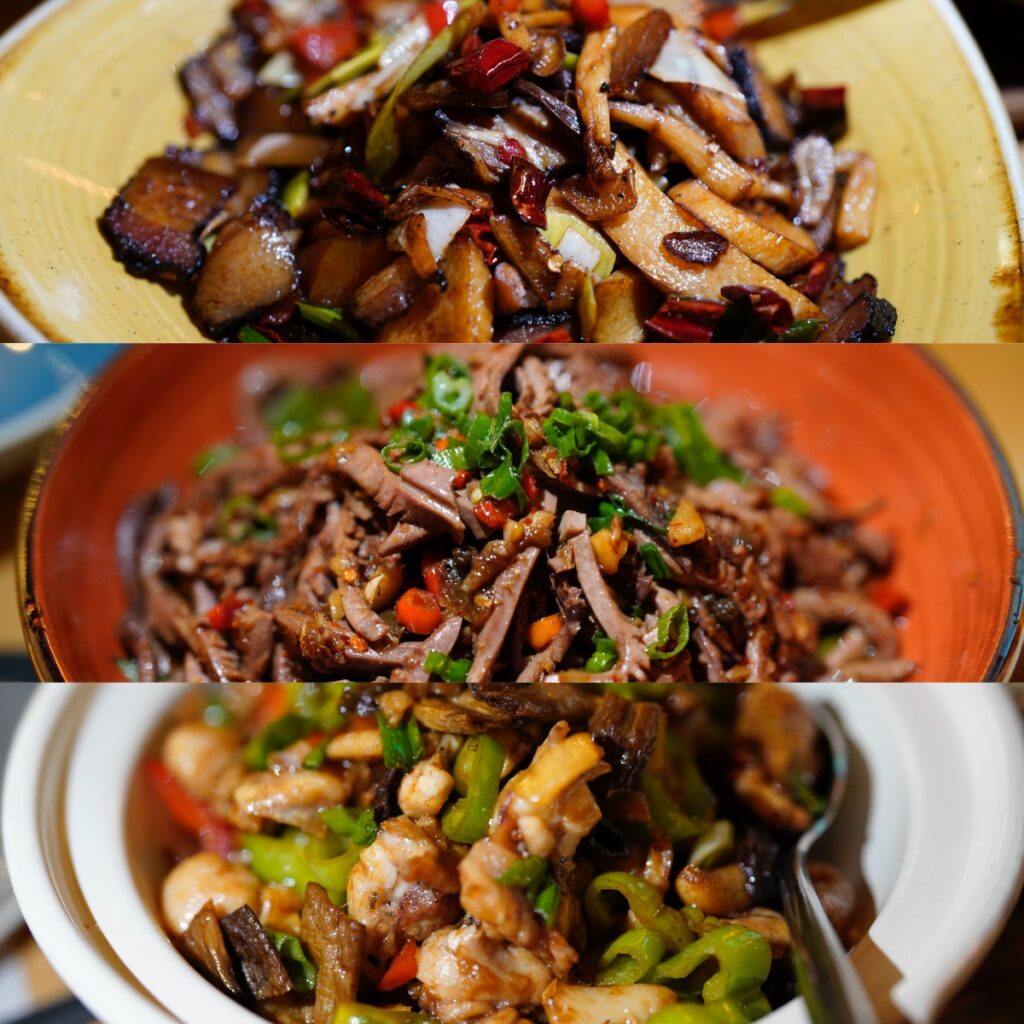
About 85 percent of the tasters were American, and about 15 percent were Asian. This was the customer structure Sumiao Hunan Kitchen had set from the very beginning. What she wanted to know was not whether Chinese diners thought the food was authentic, nor whether American diners found it novel. She was looking for a more difficult balance: which Hunan dishes local diners could understand, which flavor profiles needed explanation, which dishes could serve as entry points into the mainstream market, and how to do all this without changing Hunan cuisine until it lost its soul.
“From more than 600 Hunan dishes, we were choosing dishes suited to this group of people, rather than catering to their tastes and recreating the cuisine until Hunan food no longer tasted like Hunan food.” That is the foundation of Sumiao Hunan Kitchen’s methodology.
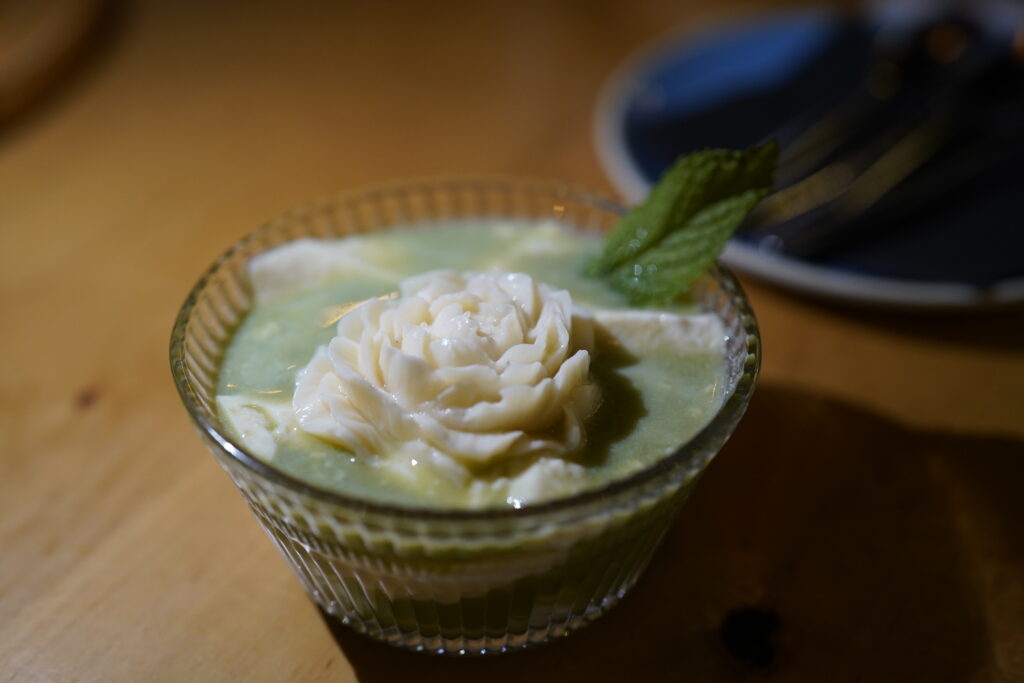
Those three months were also a serious market study. Competing restaurants, price ranges, customer structure, dining occasions, and investment return models were all placed into the same logic chart and compared. Later, after Sumiao Hunan Kitchen opened, its sales and return on investment were quite close to the projections in the business plan.
Kendall Square sits between Harvard and MIT. It is an area of Boston highly concentrated with life sciences, technology, and high-end business customers. A restaurant there could not survive on Chinese customers alone. For this group of guests, “delicious” was not enough. The restaurant also needed aesthetics, a service system, beverages, and a story.

“Entering the mainstream market is not just about making Chinese food well,” she said. “That is the biggest misconception many Chinese restaurant brands have.” For a restaurant to enter the mainstream, it is competing not only on food, but also on space, beverages, brand aesthetics, online reputation, reservation experience, and the ability to host corporate events. That is why, from the beginning, Sumiao Hunan Kitchen did many things traditional Chinese restaurants may not have emphasized: a high-standard POS system, reservation notes management, a professional PR team, social media operations, and connections with the Boston tourism bureau, hotel systems, and city cultural resources.
Turning Hunan Cuisine into an Urban Experience
Sumiao Chen quickly realized that, to enter the mainstream market, she could not treat Sumiao Hunan Kitchen merely as a place that sold Hunan food. “A true mainstream brand sells experience and culture. That is worth more than your dishes.”
Many traditional Chinese restaurants have many dishes, but little that lingers in memory. Guests may eat there and think the food is good, but they cannot clearly say what the restaurant represents. So Sumiao Hunan Kitchen gradually evolved from a Hunan restaurant into a cultural and social space: making cocktails, serving tea, hosting live band performances, organizing traditional holiday events, participating in the community, and connecting with the arts world. Beyond a table of food, it offered an experience that could be talked about, shared, and brought to friends and clients.
She especially emphasizes that Chinese restaurant brands must learn to tell stories, but the stories cannot be hollow. “It is not about educating people and telling them how delicious Chinese food is or how complicated it is to make,” she said. “It is about allowing guests to truly feel the cultural background of Chinese food, as well as the personal stories and inner strength that support the development of this industry in the United States.”
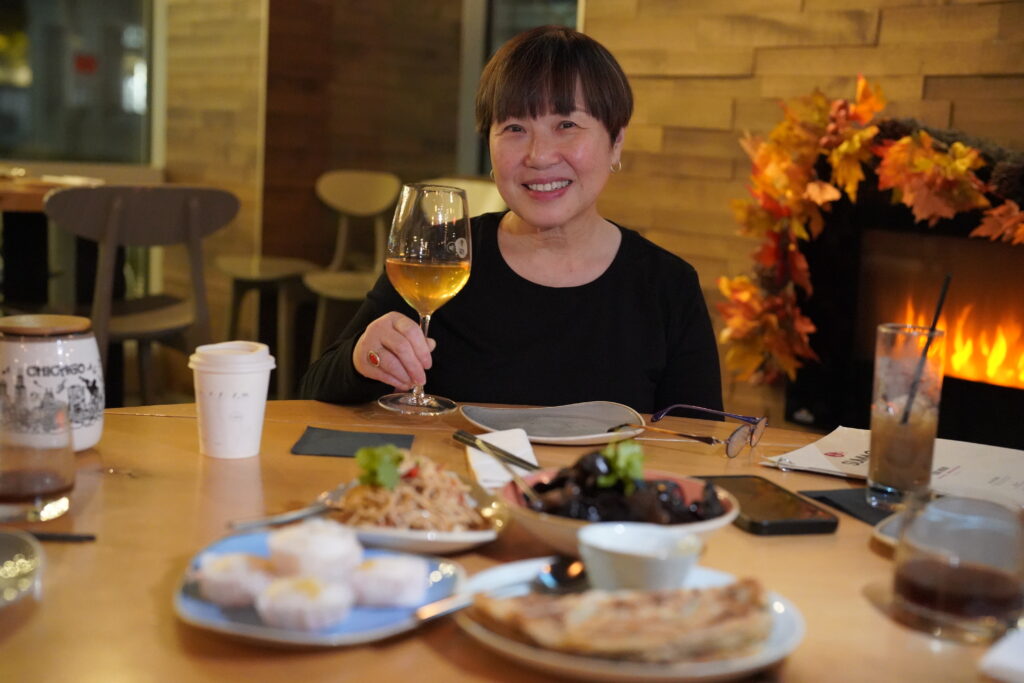
She once gave an example. Sometimes Sumiao Hunan Kitchen’s chefs practice calligraphy or painting in their dormitory, and the team posts those photos on social media. In her view, a chef is not a stir-fry machine, but a person with hobbies, a life, and a cultural background. This is one of the ways Sumiao Hunan Kitchen differs from many restaurants. It does not keep the word “authentic” on its lips, nor does it turn Chinese culture into symbolic decoration. Instead, through specific people, individual events, newsletters, and cocktails made with tea or baijiu, it gradually lets guests understand what kind of people stand behind the restaurant.
“Mainstream customers are very interesting,” she said. “They first have to like your brand, and only then will they continue to like your food.” This may feel counterintuitive to many Chinese restaurant owners. Once a restaurant enters the mainstream market, it is no longer only a place to eat. It becomes a place where consumers express lifestyle and social identity.
Beverage programs are a part of the business that Sumiao Chen values especially highly. Many Chinese restaurants either ignore the bar or directly copy the Western restaurant model. But in American mainstream dining, the bar is tied to atmosphere, check average, social function, and evening business capacity.
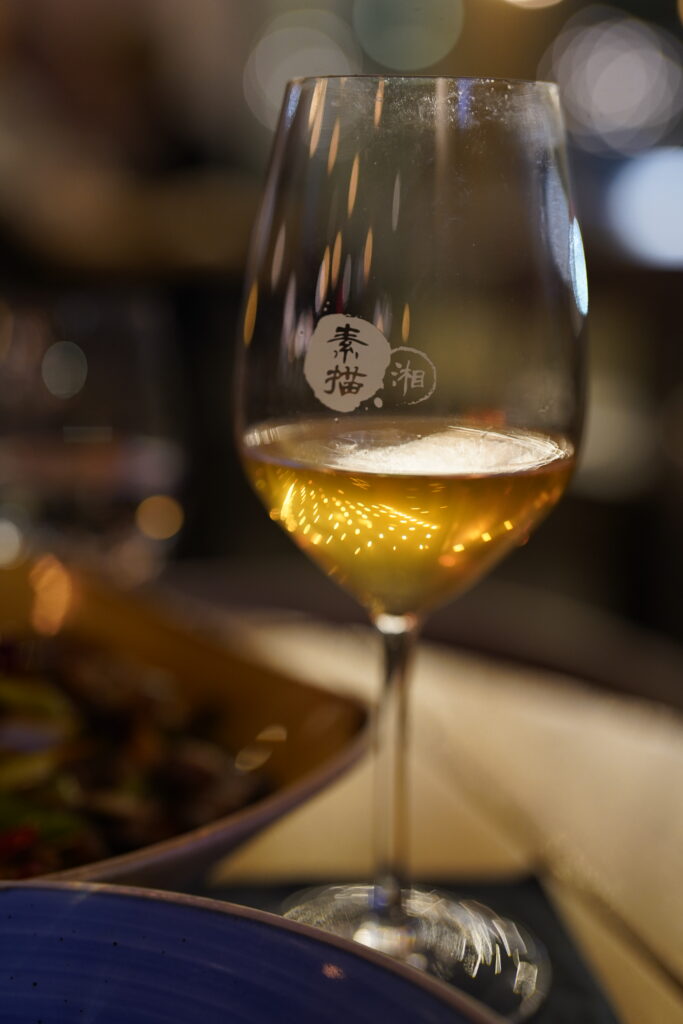
Sumiao Hunan Kitchen was one of the earlier Chinese restaurants in New England to use baijiu in cocktails. The team once received competition recognition for a baijiu cocktail named “Perpetual Motion.” They infuse tea into cocktails, extract flavors from Chinese ingredients, introduce new drinks every month, and teach tens of thousands of newsletter subscribers how to pair Chinese food with drinks. She does not treat the newsletter as a promotional tool, but as a dining guide—letting guests know that the spicy, sour, savory, and aromatic qualities of Hunan cuisine can form interesting relationships with cocktails, baijiu, tea, and whiskey.
Beverages amplified Sumiao Hunan Kitchen’s nighttime identity, social identity, and brand texture. This is what she calls “non-Chinese-restaurant thinking”—not a rejection of Chinese food, but a way to fill in what Chinese restaurants have long lacked within the American mainstream dining system.
The Pandemic and the Community
The moment when Sumiao Hunan Kitchen truly became a regionally known brand came during the pandemic.
Sumiao Chen graduated from Tongji Medical University in Wuhan, and her husband is also from Wuhan. In the early days of the pandemic, she had just returned from China to the United States and saw that many people had not yet realized how serious things were. Concerned for the safety of her employees and guests, she convened a shareholders’ meeting and proposed stopping dine-in service and operating only takeout. Not everyone accepted the decision at first. In the end, she used her one-vote veto authority as managing partner and stopped dine-in service before the governor’s formal order was issued.
Before that, Sumiao Hunan Kitchen had already done something else: it launched a “Sumiao Hunan Kitchen Supports Wuhan” charity sale of hot dry noodles and Hunan rice noodles, with all proceeds donated to hospitals in Wuhan and surrounding areas for the purchase of medical supplies. The original plan was to run the campaign for three months, but because the pandemic situation changed, it lasted only six weeks. During those six weeks, those two items alone generated more than $50,000 in sales, and the donations were sent through Tongji Medical University overseas organizations, the consulate, and other channels.
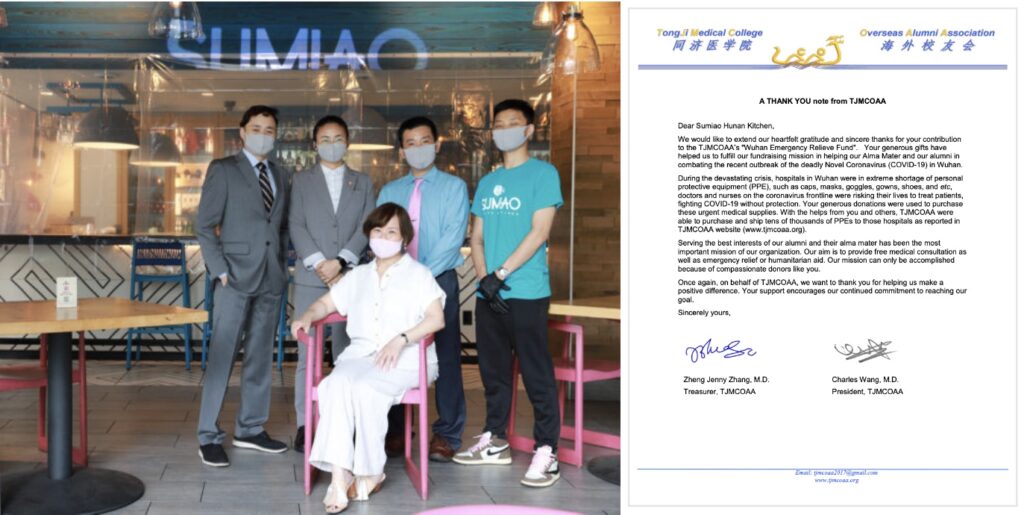
Some shareholders worried that openly supporting Wuhan at a time when American society’s emotions around Wuhan and the pandemic were complicated might affect how mainstream customers viewed the brand. Sumiao Chen did not think so. “I felt this was something we had to insist on doing,” she said. “To build a brand, you must stand by your values and your judgment. We had to tell customers how we understood this matter.”
What happened afterward exceeded expectations. The charity sale instead made the brand more stable. Some people came from out of state to buy hot dry noodles. The governor of Massachusetts, the mayor of Boston, and people from restaurant associations also brought different groups to support the restaurant. During the pandemic, Sumiao Hunan Kitchen went from more than 50 employees to just over 10. She recalls that for a period of time, 11 employees generated about $370,000 in sales per month. During pickup rushes, the line of cars outside the restaurant grew long enough that police were needed to maintain order. In Cambridge, few restaurants were able to remain continuously open. Sumiao Hunan Kitchen was one of them.
That experience planted Sumiao Hunan Kitchen more deeply in the minds of mainstream consumers. It was no longer just a good Hunan restaurant. It became a restaurant with a position, organizational strength, and a sense of community responsibility in a time of crisis.
Sumiao Chen repeatedly emphasizes that the mainstream market cares deeply about community influence. This has to do with the historical position of Chinese restaurants in the United States. For a long time, some mainstream consumers held fixed impressions of Chinese restaurants and Chinese restaurant workers: low-end, cheap, focused only on making money, inattentive to the dining environment, not healthy enough, and lacking public participation. Breaking those labels cannot be done through food alone.
Over the years, Sumiao Hunan Kitchen has continued to participate in schools, community events, city activities, and industry organizations, while devoting six percent of its annual profit to public welfare and community giving. Sumiao Chen herself has also been one of the few Asian faces on the board of the Massachusetts Restaurant Association, has participated in advisory work related to Asian restaurants with the National Restaurant Association, and has supported the founding of the Massachusetts Asian Restaurant Association.
“You Are Hospitality Professionals”
If culture and community are what made Sumiao Hunan Kitchen memorable, then management is what determines whether it can remain stable.
In her Evening Study Session talk, Sumiao Chen spent a long time discussing the team. Sumiao Hunan Kitchen holds a formal company annual meeting every year. Even though it has only one restaurant, it still conducts annual reviews and shares financial reports the way a mature company would. How detailed is it? The team reviews how many spoons and glasses were broken in a year, how much money was lost, and how many portions of farmhouse-style stir-fried pork would have to be sold to make up for it. She is not trying to blame anyone for broken cups. She wants the team to understand that a small operational mistake enters the cost structure; cost changes affect profit; and profit affects employee benefits, bonuses, and the vitality of the restaurant.
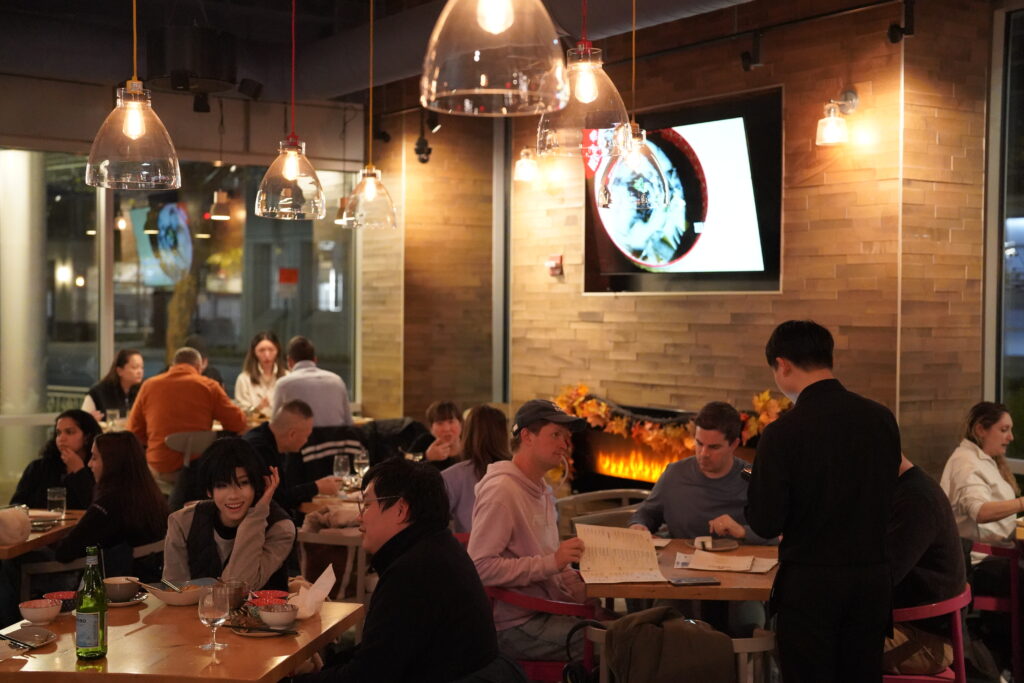
Performance evaluation is also detailed. How many tables a server served in a year, total sales, hourly sales, and tip rate are all quantified. Servers at different levels have different positions, wages, and growth paths. Those who sell wine well or desserts well also have competitions and rewards.
“I really dislike it when people ask us, ‘How are those people slinging dishes at your place?’” she said. “I tell my employees: you are hospitality professionals.” Many restaurant workers have high turnover and are difficult to manage. A deeper reason is a lack of professional identity. They see restaurant work as a temporary way to make a living, rather than as a career that can develop over the long term. Therefore, Sumiao Hunan Kitchen has continued to try to truly professionalize restaurant positions: establishing SOPs, conducting management training, setting KPIs, incentive plans, year-end evaluations, career advancement paths, and benefit systems, so employees can see a clear direction for development.
The kitchen is the same. When someone asked her about the most difficult issue in managing Chinese chefs, she answered directly: chefs generally fall into three categories—those with formal culinary training who want to find a good platform, those with a decent foundation who are willing to be trained from the beginning, and those who only want to “work the wok” and are unwilling to accept additional requirements. Sumiao Hunan Kitchen’s system itself is a filter. Every dish has a “food Bible,” with standard procedures and training. Someone who simply wants to cook however they like will quickly realize that this is not the right place.
For a brand to be stable and go far, it cannot rely only on the owner watching over it, nor can it bet everything on one chef’s touch. Sumiao Hunan Kitchen’s journey from “delicious” to “consistent” depends precisely on this.
Letting Chinese Food Be Truly Seen
For many brands, once one restaurant has succeeded, the next step becomes even harder. Chinese food is especially difficult. Many dishes depend on a chef’s experience and sense of timing and heat. If a brand only sells recipes and a name, the sign may remain the same in the end, but the experience can change completely—and the brand can be damaged instead.
That is why Sumiao Chen is very cautious about franchising. “Franchising is not a cure-all,” she said. “If the foundation of the brand is not solid, opening up franchising too early is very dangerous.” In her view, franchising is essentially a test of a brand’s output capacity. Standardization, training, management, supply chain, brand value, cultural consistency, and oversight capacity—none can be missing.
She believes more in “values-based partnership.” Over the past 20 years, she has participated in investments in more than a dozen restaurants and has seen all kinds of partnerships. Her deepest takeaway is this: a good partner is more important than money. She increasingly wants to find operating partners rather than investors who only contribute capital. “Restaurants are an industry that depends heavily on operations, details, and people. Especially in the American market, you are not only selling Chinese food. You are building a team, building culture, building trust, building experience, and building community.”
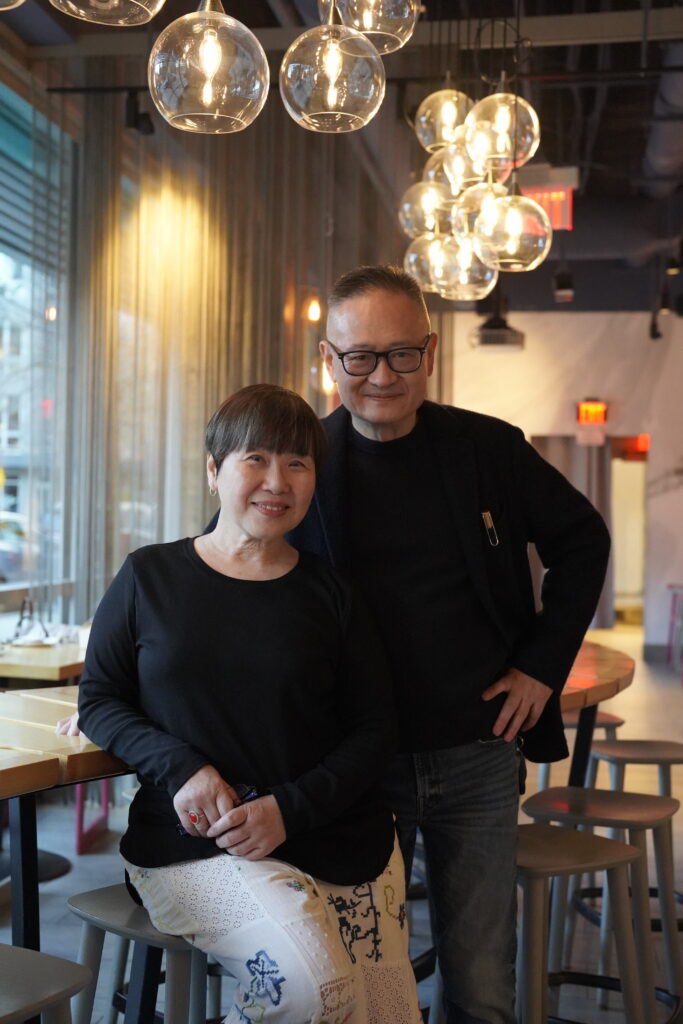
She is also thinking about new directions. She mentioned that in the future, she may develop lighter, younger concepts suited to high-traffic locations, or smaller spaces that integrate tea drinks, coffee, dim sum, and snacks. She does not lack passive capital. What she lacks are like-minded people—people who love restaurants, have entrepreneurial spirit, execution ability, responsibility, willingness to invest for the long term, recognition of the internationalization of Chinese food culture, and an understanding of the American mainstream market.
“Future successful Chinese restaurant brands will not be competing only on the number of locations, but on stronger talent systems, more mature cultural expression, and more stable, longer-lasting partnership structures.”
The nine years of Sumiao Hunan Kitchen offer a model well worth studying.
They point to one possibility: in North America, Chinese food does not have to be synonymous with cheap takeout. It does not have to remain a marginal footnote in mainstream dining awards. Nor does it have to be supported only by the owner’s personal energy. It can be a modern brand, a cultural space, a management system, and a business supported together by a group of professional restaurant people.
Sumiao Chen has ideals, but stays grounded. She talks about culture, but she brings it down to SOPs. She believes Chinese food deserves to be seen by the world, and she also understands that before it can truly be seen, every part of the operation must first become clear enough, stable enough, and professional enough.
“How far can we take it together?”
For Sumiao Chen, this question is not over. For Chinese food in North America, this question has only just begun.